The Safety Net Started Paying Rent: When Your Plan B Becomes the Whole Show

There's a specific kind of vertigo that hits when the thing you did for fun starts making more money than the thing you do for health insurance.
It doesn't happen all at once. Nobody throws a party. There's no memo. You just notice, somewhere around the third month in a row, that your Etsy revenue or your freelance design invoices or your niche newsletter sponsorships have quietly lapped the paycheck from the job you tell your relatives about at Thanksgiving.
And suddenly you're stuck with a question that sounds simple and absolutely is not: what now?
The Day Job Was Never Supposed to Be Forever — Except It Kind of Was
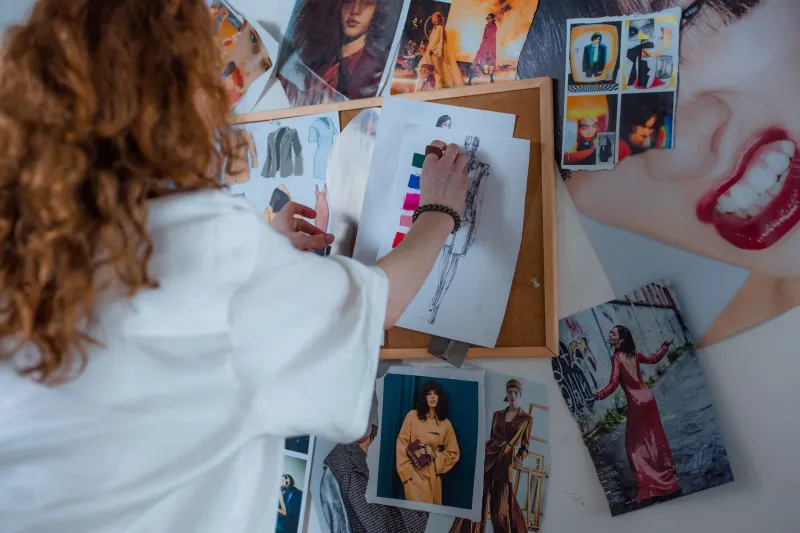
Here's the thing about backup plans: we build them to make us feel safe, and then we build our identities around feeling safe. That 9-to-5 in marketing, logistics, teaching, whatever — it started as "just until the creative thing takes off." But "until" has a way of stretching into years. You get good at the day job. You get promoted. The day job becomes a career, and the creative thing becomes a hobby with a Stripe account.
So when the hobby starts winning, it doesn't feel like victory. It feels like the ground moving.
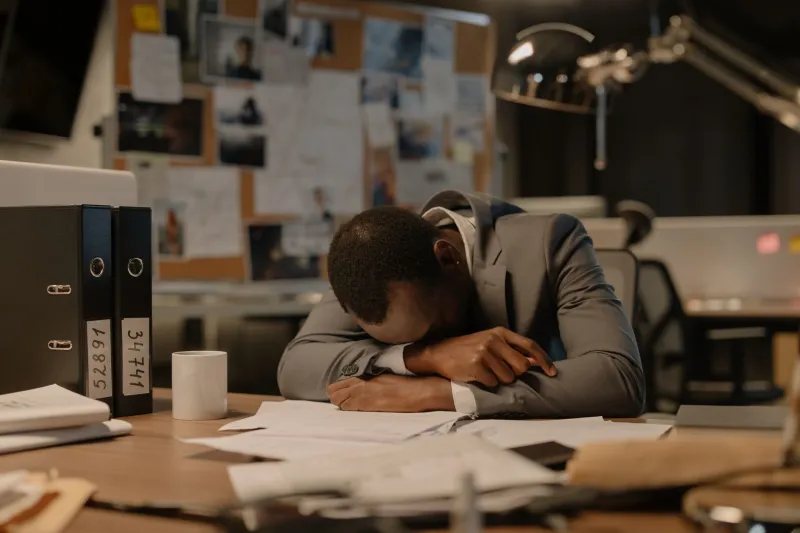
I've talked to enough creatives who've gone through this to know the pattern: the moment their side thing started demanding real hours, they didn't feel excited. They felt guilty. Guilty for resenting the job that pays for their apartment. Guilty for staying anyway. Guilty for even considering leaving a perfectly good job in this economy — a phrase that does a lot of heavy lifting in American creative circles right now.
The Grief Nobody Warns You About
Here's the part that doesn't make it into the Instagram posts about quitting your job to chase your dreams: you will mourn the thing you're leaving, even if you hated it.
Not the work itself, maybe. You'll mourn the structure. The built-in social circle. The identity of being Someone With a Real Job. The ability to answer "what do you do?" at a party without launching into a ten-second explanation that ends with "and, like, I sell prints online too."
One designer I know described quitting as "a breakup with a version of myself I didn't even like anymore." She'd spent six years telling people she was in operations. Letting go of that label felt, in her words, "like walking outside without checking the weather."
That's the whiplash. The backup plan was supposed to be the risk. Turns out leaving the backup plan is the risk.
A Rough Framework for the Decision
I'm not going to pretend there's a formula, because there isn't. But there are questions worth answering honestly before you draft that resignation letter:
1. Is the money consistent, or is it one good client? One lucrative contract is not a business. Three months of consistent revenue that beats your salary — after taxes — starts to look like one. Run your side income through the brutal filter: what's left after self-employment tax, health insurance, and the software subscriptions you've been expensing in your head?
2. Is the demand pulling you, or are you pushing? If clients are waiting on you, inboxes are filling up, and you're turning down work because there aren't enough hours after your day job — that's pull. If you're grinding every night trying to make it work, that's push. Pull scales. Push burns out.
3. Can you survive a bad quarter? Not a bad month. A bad quarter. Freelance and creative income is lumpy. If losing your biggest client tomorrow would mean missing rent, you're not ready — you're gambling.
4. Are you staying at the job out of strategy or fear? Be honest. Sometimes staying is smart — you're saving runway, learning skills, building a cushion. Sometimes "staying for the benefits" is just fear wearing a blazer.
The Middle Path Nobody Posts About
Not every story ends with a dramatic resignation. Plenty of creatives run the hybrid for years — day job three days a week, creative work the rest. Others negotiate to part-time. Some keep the job and let the side thing stay a side thing, deliberately, because they like it better that way.
That's a valid ending too. Not every passion needs to become a business. Some of them get worse when they do — invoices have a way of sucking the joy out of a hobby.
But if you're in that limbo where the side hustle has outgrown its container, here's the reframe that helped one photographer I know finally jump: "The day job stopped being my safety net the moment my creative work started catching me. I was just refusing to notice."
The Whiplash Is the Point
Maybe the most useful thing to know going in: the disorientation doesn't mean you're making a mistake. It means you're doing something your brain hasn't categorized yet. New identities are uncomfortable before they're natural.
The backup plan was never supposed to become the career. But some of the best careers start exactly that way — as a contingency that refused to stay in its lane.
The question isn't whether your Plan B can carry you. It's whether you're ready to stop calling it Plan B.