Your Work Deserves a World, Not a Website: The Case for Building in Public
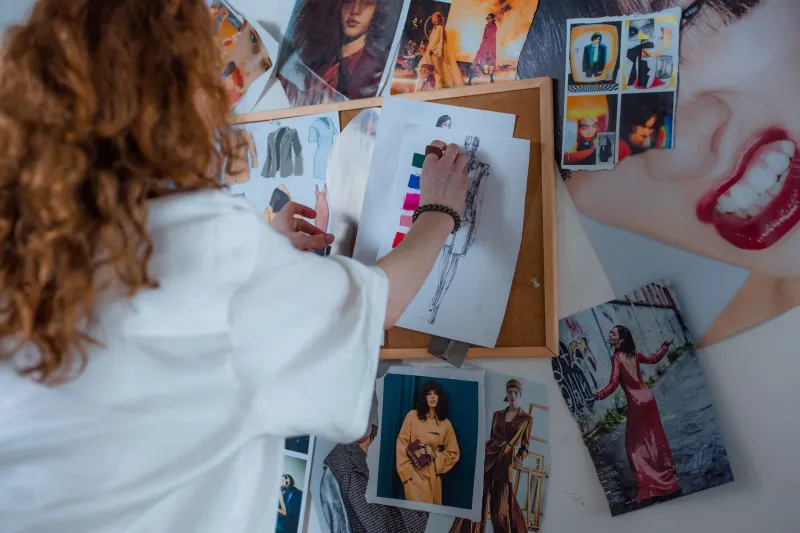
A friend of mine spent four months perfecting her portfolio site last year. Custom domain, case studies with glossy mockups, the works. She launched it, posted the link twice, and then... nothing. Not because the work was bad — it genuinely wasn't — but because the site was a snapshot. A museum exhibit nobody revisits.
Meanwhile, another designer I know runs a scrappy newsletter where she documents whatever she's obsessing over that week. Sometimes it's a failed logo exploration. Sometimes it's a rant about why every coffee brand in America uses the same beige. Clients found her, not a landing page. She's booked out for months.
That difference isn't luck. It's a fundamental shift in how discovery works now.
The Gallery Model Is Broken
For about fifteen years, the advice was simple: build a portfolio, make it clean, wait for opportunities to arrive. And for a while, that worked. But the internet has changed shape. Discovery doesn't happen on personal websites anymore — it happens in feeds, inboxes, group chats, and communities.
A portfolio site is a destination. The problem? Nobody's traveling. Attention lives in ecosystems: Substack inboxes, Discord servers, TikTok's algorithmic rabbit holes, Instagram carousels that get forwarded around a studio Slack by 5pm on a Tuesday.
If your work only exists in one static place, you're essentially running a store with no signage on a street no one walks down anymore.
Think Serial, Not Final
The creatives getting hired right now have one thing in common: their presence feels alive. Not polished-alive — ongoing-alive.
A photographer who shares the contact sheet before the final edit. A copywriter who rewrites a terrible billboard she saw in real time. An illustrator whose Discord regulars watch characters evolve over months and feel personally invested when a brand deal drops.
This is serialized creativity. Your audience isn't consuming finished work; they're following a story. And stories create return visitors. Return visitors create trust. Trust is what actually converts into a booking, a retainer, a job offer.
The psychological trick here is subtle but powerful: when someone watches you make things, they stop evaluating you like a vendor and start rooting for you like a protagonist. Nobody roots for a homepage.
The 2025 Presence Stack
You don't need to be everywhere. You need one or two places where your work breathes. A few formats that are working right now:
- The working-notes newsletter. Weekly or biweekly, low production value, high honesty. Think of it as a public sketchbook, not a press release.
- The community layer. A Discord or close-friends space where superfans and potential collaborators see the mess behind the magic. This is where loyalty gets built.
- The native artifact. Instead of linking to your site, make the content be the platform — a thread, a carousel, a 40-second process video. Meet people where they already are.
- The home base (yes, still). Keep a simple site as the archive — the library where everything lives. But stop expecting it to do the discovering. It's the reference, not the megaphone.
Showing Your Work Is a Skill, Not a Confession
I know the objection: "I don't want to share half-finished stuff." Fair. But sharing process isn't exposing weakness — it's demonstrating thinking. Clients in 2025 aren't just buying outcomes; they're buying how you approach problems. A messy exploration with clear reasoning is more persuasive than a beautiful final image with no context.
Start small. Pick one project you're already working on and document three moments: the brief, the pivot, the finish. That's a story arc. Post it where people already scroll.
The Long Game, Rewritten
Here's the uncomfortable truth: the portfolio era rewarded people who were already established. The living-presence era rewards people who show up consistently. That's better news than it sounds, because consistency is something you can control in a way virality and SEO never were.
Your next big break probably won't come from someone stumbling onto your website at 2am. It'll come from someone who's been quietly reading your notes for six months and finally has a budget with your name on it.
Build the world. The work will find its audience inside it.