Trend or Timeless? How Pop Culture Shapes the Way We Actually Get Dressed
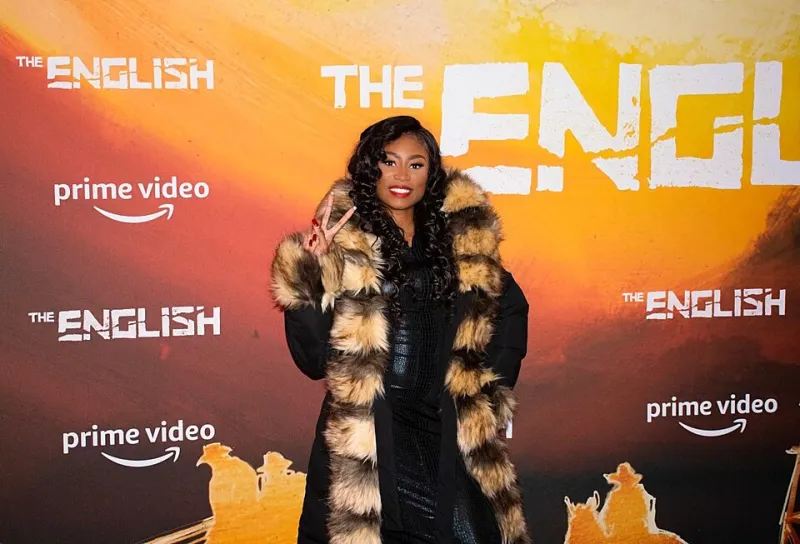
Photo: TamikaWest, CC BY-SA 4.0, via Wikimedia Commons
There's a specific kind of cultural whiplash that happens when a celebrity wears something on a Tuesday and by Thursday it's sold out in every size at every major retailer. We've all been there — suddenly convinced we need a pair of ballet flats or a specific shade of brown trench coat because someone impossibly cool made it look like the only logical choice. And then, six months later, we're wondering why we bought it.
This isn't a new phenomenon, but the speed at which it happens has become genuinely dizzying. Entertainment culture — music, film, award shows, even reality TV — has always influenced fashion. What's changed is how immediately and completely that influence now reaches everyday wardrobes across the country. So it's worth asking: when does taking style cues from pop culture serve you, and when does it just leave you with a closet full of regrets?
The Red Carpet as Cultural Mirror
Award shows have long functioned as something more than just televised industry back-patting. The Grammys, the Met Gala, the Oscars — these events are, among other things, fashion laboratories. The looks that get talked about for years aren't necessarily the most expensive or the most technically impressive. They're the ones that feel like they captured something about a particular cultural moment.
Think about the way Zendaya's styling has shifted the conversation around young Hollywood dressing — moving away from the safe, expected gown toward looks that feel almost conceptual. Or how Beyoncé's visual albums have consistently created ripple effects that show up not just in high fashion but in what people wear to concerts, to parties, even to brunch. These aren't just celebrity moments. They're cultural punctuation marks that change how people see themselves and what they reach for when they get dressed.
The interesting thing is that the looks with real staying power tend to share a quality: they feel like an extension of the person wearing them, not a departure from it. They read as intentional rather than assigned. That's actually a useful framework for thinking about your own wardrobe.
Why Some Trends Stick and Others Vanish Overnight
Fashion cycles have always existed, but the internet has compressed them dramatically. A trend that might have had a two-year runway in the early 2000s now peaks and fades within a single season — sometimes within months. The dopamine hit of buying into a trend is real, but so is the crash when it suddenly feels dated.
The trends that graduate into genuine style staples tend to have a few things in common. They usually solve a problem (comfort, versatility, proportion). They translate across price points without losing their essence. And they feel wearable to a wide range of people, not just the specific celebrity or editorial context where they debuted.
Conversely, the trends that burn out fast are usually highly specific — tied to one aesthetic moment, one cultural reference, one very particular visual. They're exciting precisely because they're so specific, but that specificity is also why they have a short shelf life. Once the reference fades, so does the look.
This doesn't mean you should avoid trend-driven pieces entirely. There's genuine joy in dressing for the moment you're in. The key is knowing the difference between a trend piece and a wardrobe investment before you spend money on it.
Entertainment Culture as Style Education, Not Style Prescription
Here's a reframe that might be useful: instead of treating celebrity style as a shopping list, treat it as research. What you're actually doing when you obsess over a particular look is gathering data about what appeals to you aesthetically — what proportions feel exciting, what color combinations you respond to, what energy you want to project.
The mistake is in the direct translation. Just because a particular silhouette looks extraordinary on a specific person in a specific context doesn't mean the literal garment will do the same thing for you in your actual life. But the feeling that look gave you? That's information. What was it about it — the confidence, the ease, the drama, the minimalism? That's what you're actually chasing, and there are probably multiple ways to get there that suit your body, your budget, and your lifestyle better than the exact piece that inspired the feeling.
Some of the most stylish people in America aren't wearing what's on the runway or what celebrities are dressed in by their stylists. They're people who've done the work of understanding their own aesthetic language and can pull inspiration from entertainment culture without being dictated by it.
Building Toward a Personal Aesthetic Instead of a Trend Archive
Timeless personal style — the kind that makes people say "she always looks like herself" or "he has such a distinct look" — isn't really about avoiding trends. It's about having enough of a defined aesthetic foundation that trends either integrate naturally or get filtered out without much effort.
Building that foundation takes some honest self-assessment. What pieces do you reach for on repeat, regardless of what's having a moment? What do you feel most like yourself in? What do you keep buying versions of because you love the category even if individual pieces don't always work out? Those answers are the beginning of a style identity.
From there, entertainment culture becomes a tool rather than a directive. A red carpet moment might confirm that a particular color palette you've been drawn to is having a larger cultural moment — great, lean in. A music video might introduce you to a proportion or styling trick you hadn't considered — worth experimenting with. But neither should completely override what you already know about what works for you.
The Most Stylish Move Is Knowing Yourself
Pop culture will keep cycling through aesthetics at a pace that's impossible to keep up with. Coastal grandmother, quiet luxury, mob wife, whatever comes next — the trend machine doesn't slow down, and it's not designed to. It's designed to keep you buying, keep you second-guessing, keep you feeling like you're perpetually one purchase away from having it figured out.
The most genuinely stylish people — the ones whose looks feel effortless and considered at the same time — have mostly opted out of that game. Not because they don't love fashion or aren't engaged with culture, but because they've developed enough of a personal aesthetic that they can engage with trends selectively rather than reactively.
Entertainment culture is one of the most exciting and accessible windows into fashion that exists. The red carpet, the music video, the movie costume that becomes iconic — these things are genuinely thrilling, and they're worth paying attention to. Just make sure you're using them as inspiration rather than instruction. Your style, at its best, should look like you — not like a moment that's already passed.