Partners in Crime or Just Crime: The Messy Reality of Creative Collaborations

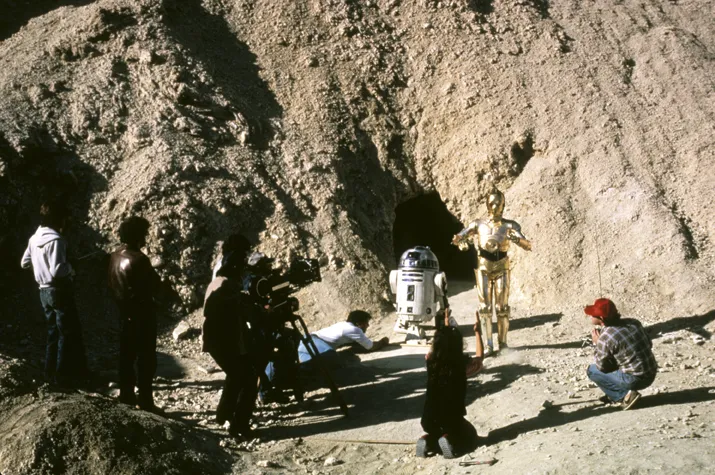
Photo: Ricardovfo, CC BY-SA 4.0, via Wikimedia Commons
There's a specific kind of excitement that hits when another creative slides into your DMs with a collaboration idea. The energy is real. The possibilities feel endless. You're already mentally designing the shared aesthetic, imagining the audience crossover, picturing the final product. And then—somewhere between the first brainstorm call and the third round of revisions—things get complicated in ways you didn't see coming.
Collaboration is one of those things the creative world romanticizes hard. We celebrate power duos, iconic partnerships, the magic that happens when two talented people combine forces. What we talk about a lot less? The equity disputes, the creative standoffs, the slow burn of realizing your partner's work style is the exact opposite of yours. The fact that sometimes going solo would have been faster, cleaner, and a whole lot less emotionally exhausting.
This isn't a case against working with other people. It's a case for going in with your eyes open.
The Invisible Labor Nobody Budgets For
Here's something that catches a lot of creatives off guard: collaboration adds work before it reduces it. There's a whole layer of communication overhead that doesn't exist when you're working alone. You have to explain your vision instead of just executing it. You have to wait for someone else's schedule to align with yours. You have to revisit decisions you thought were settled because your partner had a new idea overnight.
That's before you factor in the emotional labor. Managing a creative partnership—especially with someone you're also friends with—means navigating ego, insecurity, differing levels of ambition, and the occasional moment where feedback lands wrong even when it was delivered right. None of that shows up in the project brief, but all of it takes energy.
Before you commit to any collaboration, ask yourself honestly: do I have the bandwidth for this right now? Not just the time, but the emotional capacity to co-create with another person and handle the friction that comes with it.
When Creative Control Becomes a Tug-of-War
Creative control conflicts are probably the most common reason collabs fall apart—and they're also the most avoidable, if you address them early. The problem is that most people don't bring it up until they're already in the middle of a disagreement.
Two creatives with strong individual voices will almost always hit a moment where they disagree on direction. That's not a red flag. That's just what happens when two people with genuine creative investment are working on the same thing. The question is whether you've built a structure for resolving those moments, or whether you're just hoping you'll agree on everything.
Before a project kicks off, figure out who has final say on what. It doesn't have to be one person controls everything—that's actually its own kind of problem. But you do need clarity. If you're co-directing a short film, who makes the call when you disagree on the edit? If you're co-writing a piece, whose voice leads? Getting specific about this upfront feels awkward, but it saves you from a much messier conversation later.
The Equity Problem Nobody Wants to Acknowledge
Money and credit are where a lot of collaborations quietly fall apart. One person brings the larger platform, so they assume they deserve a bigger cut. One person did more of the actual production work, but the other person had the original concept. One person's name is more recognizable, so they get more of the press—even if the labor was split down the middle.
There's no universal right answer here, but there is a universal wrong approach: avoiding the conversation entirely and assuming it'll work itself out. It won't. The resentment that builds when someone feels undercompensated or under-credited is one of the most effective ways to kill both a project and a relationship.
Have the money conversation before you start. Put it in writing—even if it's just a shared Google Doc that both people agree to. Outline who owns what, how revenue gets split, and how credit gets attributed in press, on social, and in any future use of the work. It feels overly formal for a creative partnership, but that formality is exactly what protects the friendship.
Different Work Styles Are a Feature Until They're a Bug
You're a planner. Your collaborator works on vibes and inspiration. You like to batch your work. They prefer to iterate in real time. You need quiet to create. They do their best thinking out loud on a Zoom call.
Different work styles can genuinely produce better work—the tension between structure and spontaneity, between caution and risk, is often where interesting things happen. But it only works if both people respect how the other person operates. If you're constantly frustrated that your partner doesn't hit deadlines, or they're constantly feeling micromanaged by your project timelines, that friction stops being creative and starts being corrosive.
Spend time early in the partnership—before you're deep in the work—talking about how you each function. Not to judge or convert, but to build a workflow that actually accounts for both of you. A collaboration that accommodates two different working styles is more sustainable than one that assumes you'll just magically sync up.
How to Know When It's Not Working Anymore
Sometimes a collaboration runs its course. Sometimes you realize mid-project that the partnership isn't serving the work—or you. Knowing when to course-correct (or walk away) is a skill that doesn't get enough attention.
Some signs worth paying attention to: You're doing the majority of the work and resenting it. You've stopped sharing your real ideas because you're tired of negotiating. The project has become more about managing the relationship than actually creating. You feel relieved when your partner cancels a meeting.
None of these mean you're a bad collaborator or that the other person is a bad person. They mean the partnership, in this form, isn't working. That's important information. You can address it directly, restructure how you're working together, or in some cases, make a clean exit. What you shouldn't do is keep grinding through something that's draining you and calling it dedication.
A Few Things That Actually Help
If you're going into a collaboration—or trying to salvage one—here are some practical moves that make a real difference:
Set a scope before you start. What is this project, exactly? What's it not? Scope creep is real, and it's worse when two people are involved.
Build in a check-in rhythm. A regular, low-stakes check-in (not just when there's a problem) keeps small issues from becoming big ones.
Separate the work from the relationship. Feedback on the project isn't feedback on the person. Establish that norm early and return to it when things get tense.
Know your non-negotiables. What are the things you genuinely can't compromise on? Be honest about those before you start, not after you've already conceded something you didn't want to.
Collaborating with other creatives can produce work that neither of you could have made alone. That's real. But so is the complexity that comes with it. The goal isn't to avoid collaboration—it's to go in prepared for what it actually requires.